
Grass Roots Education Series
Understanding Caryophyllene
Peppery, earthy, and unmistakably classic — caryophyllene is one of the most recognizable terpene profiles in cannabis. It shows up in many of the strains customers describe as grounded, balanced, gassy, or body-forward.
In this week’s Terpsday breakdown, we’re taking a deeper look at what caryophyllene is, how to identify it, what kinds of strains it commonly appears in, and why terpene profiles matter far more than most customers realize.
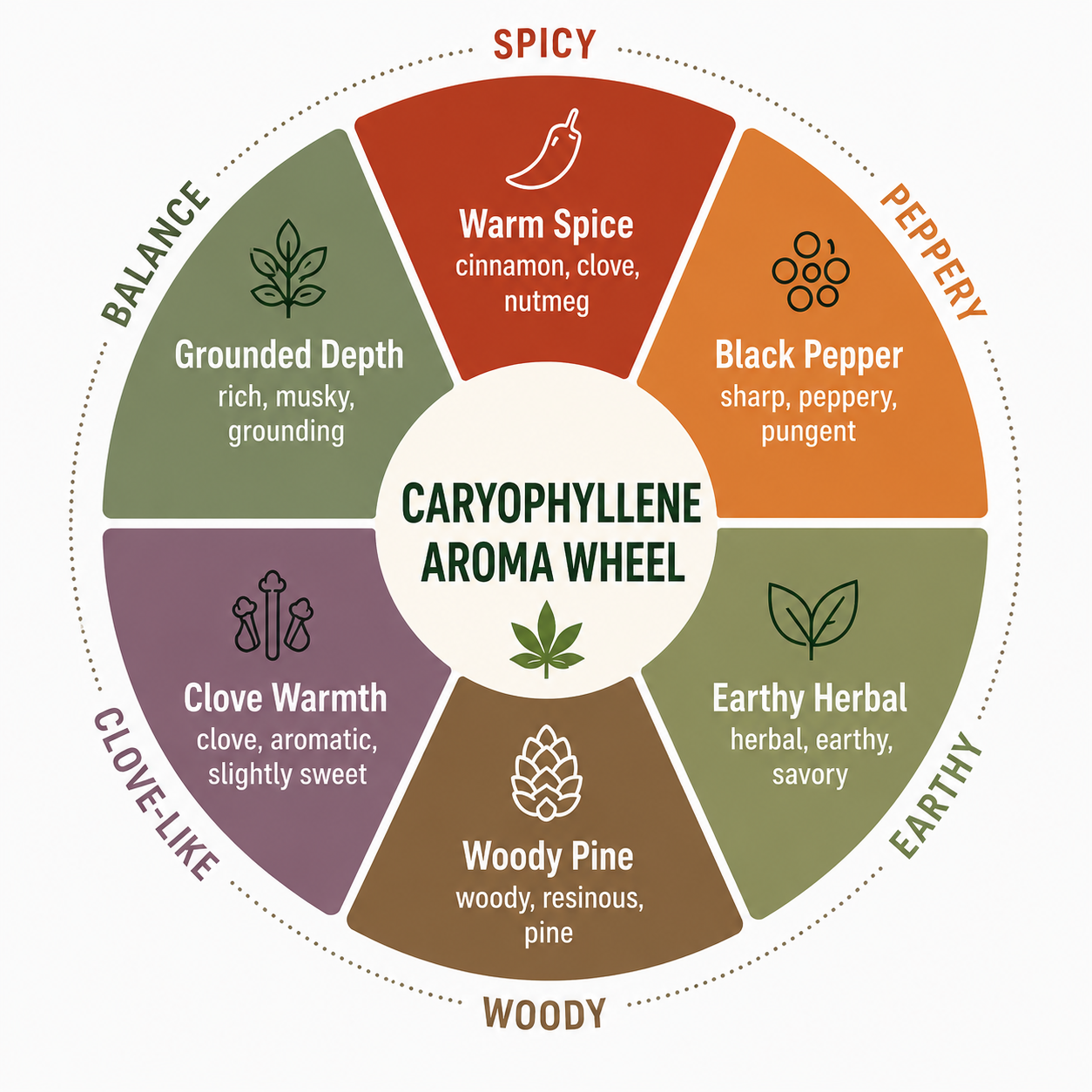
Caryophyllene
What Is Caryophyllene?
Caryophyllene is a naturally occurring terpene found in cannabis as well as black pepper, cloves, cinnamon, basil, and oregano. It is best known for its warm spice aroma and slightly woody, earthy character.
In cannabis, caryophyllene is extremely common in classic gassy, earthy, or kush-forward cultivars. When customers describe a strain as “peppery,” “funky,” “diesel,” or “deep,” caryophyllene is often part of the reason.
It is also one of the most talked-about terpenes in cannabis education because of how uniquely it interacts with the body compared to other terpenes.
That uniqueness has made caryophyllene one of the most studied and discussed terpene profiles in modern cannabis conversations. For many experienced consumers, it represents the bridge between traditional cannabis aroma and the more terpene-focused way people shop today.
Where Caryophyllene Exists Outside Cannabis
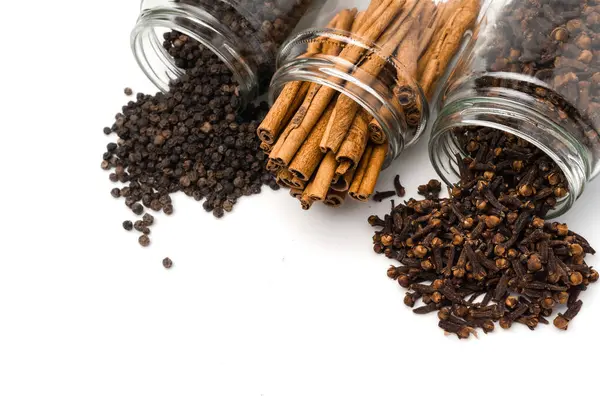
One reason caryophyllene feels so recognizable is because most people have encountered it long before stepping into a dispensary. The terpene naturally appears in many common spices, herbs, and plants used in kitchens around the world.
Black pepper is one of the strongest examples, which is why caryophyllene-heavy strains often carry that unmistakable cracked pepper aroma. Cloves, cinnamon bark, oregano, basil, and rosemary also contain noticeable levels of caryophyllene.
Understanding that connection helps customers realize terpenes are not exclusive to cannabis. Cannabis simply contains unique combinations of these naturally occurring aromatic compounds.
That broader plant connection is part of what makes terpene education so valuable. Once customers start recognizing terpene profiles in daily life, cannabis aroma becomes much easier to understand and describe.
How To Identify Caryophyllene
Once customers learn how to identify caryophyllene, they start noticing it everywhere. It tends to show up in strains with bold, spicy, earthy, or fuel-heavy aroma profiles.
Unlike bright citrus terpenes like limonene or pine-forward terpenes like pinene, caryophyllene feels warmer and deeper. It often adds density and weight to a strain’s aroma profile rather than brightness or sweetness.
One of the easiest ways to recognize caryophyllene is by paying attention to how a strain hits your nose initially. If the first thing you notice smells like cracked pepper, warm spice, funk, diesel, wood, or earthy herbs, there is a good chance caryophyllene is part of the dominant terpene profile.
Experienced consumers often associate caryophyllene-heavy cultivars with “classic cannabis” aroma because the terpene has been common in legacy genetics for decades.
- Black pepper aroma
- Warm spice notes
- Earthy or woody undertones
- Common in gas-forward cultivars
- Often paired with humulene or myrcene
- Common in kush, diesel, and earthy hybrid profiles
Why Customers Gravitate Toward Caryophyllene
Many customers who enjoy caryophyllene-heavy strains describe them as balanced, grounded, or body-centered. It tends to appear in strains that feel heavier, richer, or more physically relaxing without necessarily feeling overly sedating.
That distinction matters. Some terpene profiles feel sharp, energetic, or mentally stimulating. Caryophyllene often lands differently. It adds weight and depth to a profile, which is why many experienced cannabis consumers intentionally seek it out.
Another reason customers gravitate toward caryophyllene is familiarity. It commonly appears in legacy cannabis profiles that longtime consumers already associate with traditional earthy flower, kush cultivars, and gas-heavy genetics.
That is part of why caryophyllene remains one of the most recognizable terpene profiles in modern cannabis. It creates a familiar depth that many experienced consumers instinctively recognize almost immediately.
For dispensary teams, caryophyllene is also one of the easiest terpene profiles to explain because customers usually connect with it quickly once they smell it. Even people completely new to cannabis often recognize the spice-forward warmth immediately.
Why Aroma Education Matters In Cannabis
One of the biggest shifts happening in modern cannabis is the move away from shopping strictly by THC percentage. Customers are becoming more educated about terpene profiles, aroma structure, and overall experience.
That matters because aroma tells customers much more about a product than numbers alone. A terpene profile can reveal whether a strain may feel brighter, heavier, sweeter, earthier, or more balanced before the product is ever consumed.
Caryophyllene plays a major role in that education because it is one of the easiest terpenes to identify once someone understands what they are smelling. It becomes a reference point that helps customers start recognizing terpene combinations across multiple strains.
The more customers understand aroma structure, the easier it becomes to shop intentionally and communicate preferences clearly with dispensary staff.
Common Strain Profiles With Caryophyllene
Caryophyllene shows up across a huge range of cultivars, especially strains known for earthy, kushy, spicy, or diesel-heavy character.
While terpene combinations always matter more than a single terpene alone, caryophyllene frequently appears in strains customers describe as rich, dense, funky, or body-forward. It is especially common in cultivars with old-school cannabis structure and strong aroma depth.
Many modern dessert strains still contain caryophyllene, but it is most noticeable when paired with earthy or gas-forward terpenes like humulene and myrcene. Those combinations often create the layered spice-and-funk aroma many consumers chase.
Depending on the surrounding terpene profile, caryophyllene can present differently from strain to strain. In one cultivar it may feel woody and earthy. In another it may lean heavily into fuel, spice, or pepper.
- Kush-forward
- Gas-heavy
- Earthy or woody
- Balanced hybrid profiles
- Evening-friendly cultivars
- Classic cannabis aroma profiles
Why Terpene Profiles Matter More Than THC
One of the biggest misconceptions in cannabis is that higher THC automatically means a stronger or better experience. In reality, terpene composition often explains much more about how a product actually feels.
Caryophyllene is a perfect example. Two strains with similar THC numbers can feel completely different depending on whether the terpene profile leans peppery and grounded versus citrusy and uplifting.
That is because cannabinoids and terpenes work together to shape the overall experience. The aroma profile, flavor profile, and terpene balance all influence how customers perceive a strain in real-world use.
Customers who focus only on THC often end up missing products that may actually fit their preferences much better. Once terpene awareness enters the conversation, shopping becomes far more intentional.
That is why Grass Roots puts so much emphasis on terpene education. Understanding terpene profiles helps customers shop intentionally instead of guessing based on potency alone.
Caryophyllene In The Modern Cannabis Market
As cannabis genetics continue evolving, terpene profiles have become one of the clearest ways to understand how a strain may actually present itself beyond branding or THC percentage.
Caryophyllene remains one of the most commercially important terpenes because consumers consistently recognize and return to its profile. Whether it appears in kush cultivars, diesel-heavy strains, or balanced hybrids, it creates an aroma depth many customers associate with quality flower.
That consistency matters in dispensary environments. Customers may not always remember exact strain names, but they often remember the type of experience or aroma profile they enjoyed. Caryophyllene becomes part of that language.
The more customers understand terpene profiles, the easier it becomes to identify what actually works best for them personally instead of relying entirely on marketing terms or THC numbers.
As terpene education continues expanding across the industry, caryophyllene will likely remain one of the cornerstone profiles customers use to understand classic cannabis structure and aroma.
The Bigger Takeaway
Caryophyllene is one of the foundational terpene profiles in cannabis. It is bold, recognizable, and deeply connected to many of the earthy, gassy, and classic strain experiences customers already know and love.
As Terpsday continues, we’ll keep breaking down terpene profiles one at a time to help customers understand cannabis through aroma, flavor, and overall experience — not just THC numbers.
Shop Grass Roots