
Cannabis Rescheduling: What It Could Mean for Prices, Payments, and Perception
Cannabis reclassification is more than a policy headline. For dispensaries, it could change how businesses file taxes, how customers pay, and how the industry is viewed. For customers, the biggest question is simple: could this make cannabis more accessible and more affordable?
Cannabis has always existed in a complicated space. Legal at the state level in places like Missouri, but still restricted federally in ways that affect banking, taxes, operations, and public perception.
That is why the conversation around moving cannabis from Schedule I to Schedule III matters. It does not mean federal legalization. But it could create meaningful changes for dispensaries and the people who shop with them.
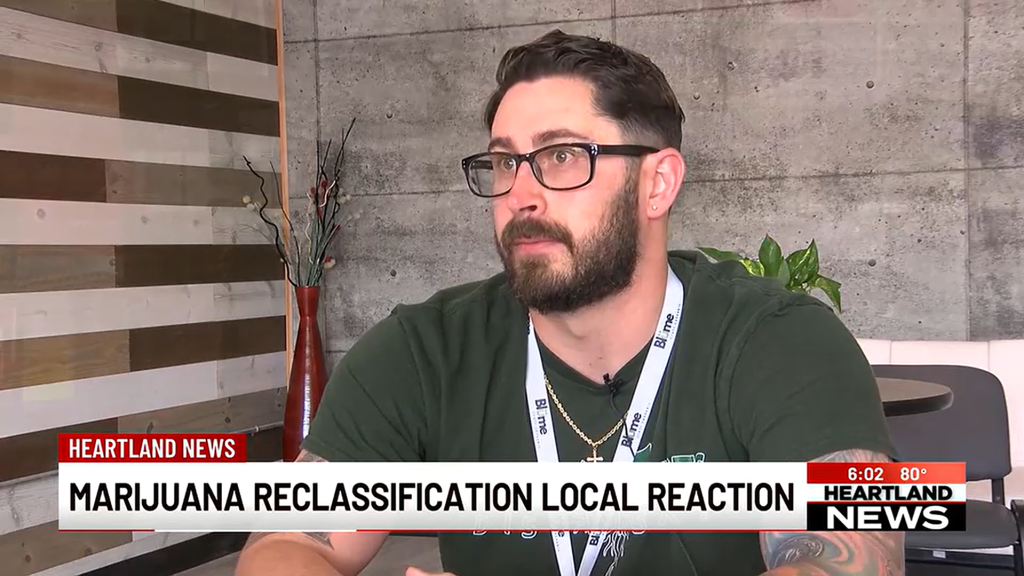
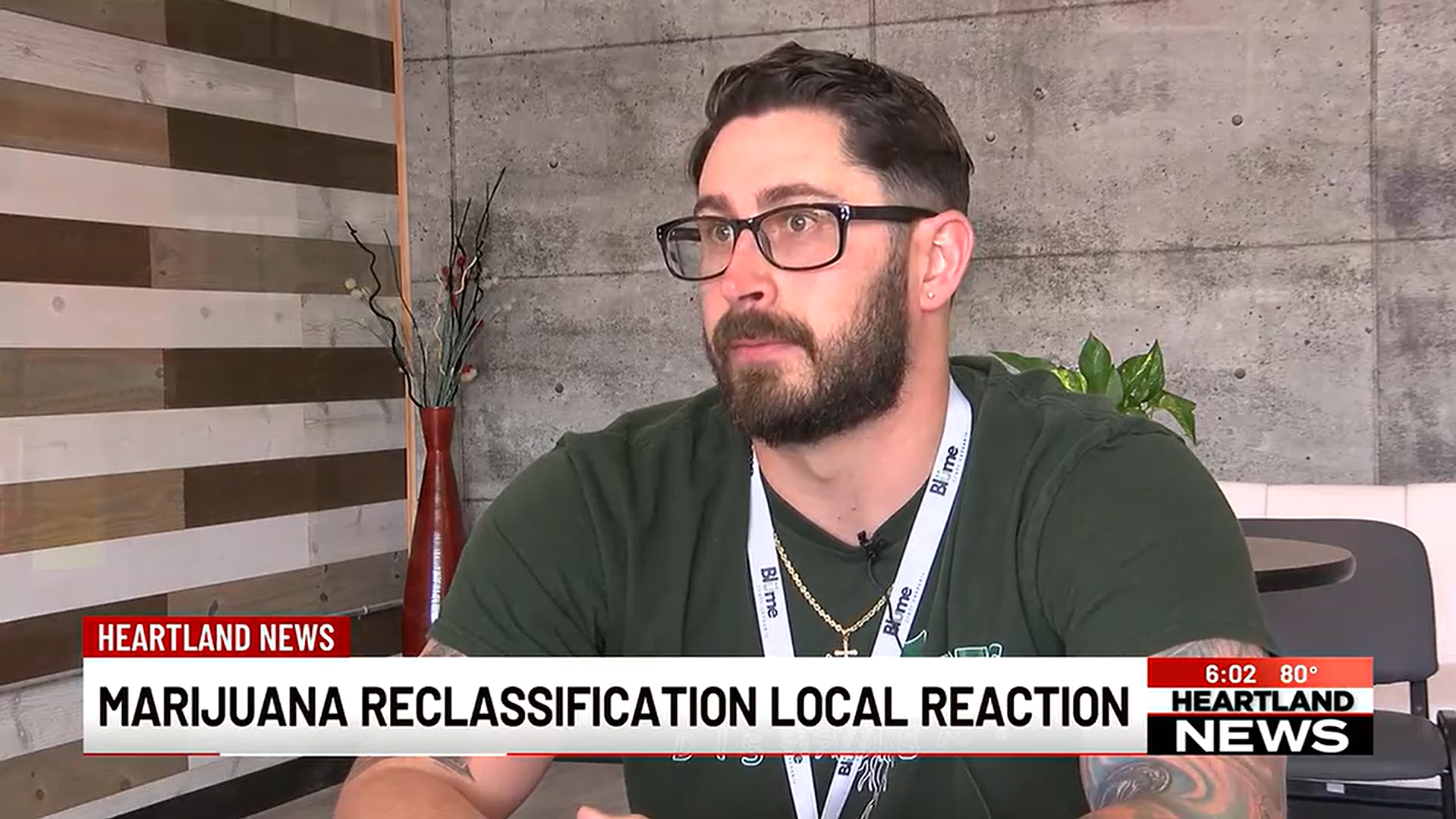
Grass Roots owner Ian Jerls recently spoke with KFVS12 about what this shift could mean for payments, tax relief, pricing, and the stigma that still surrounds cannabis.
What Rescheduling Actually Means
For years, cannabis has been classified as a Schedule I substance at the federal level. That category creates major restrictions for businesses, even in states where cannabis sales are legal and regulated.
Moving cannabis to Schedule III would not erase every challenge, but it would signal a major shift in how cannabis is treated by the federal government.
Why Payments Could Get Easier
One of the most visible impacts for customers could be payment options. Because of federal restrictions, cannabis businesses have often had to rely heavily on cash and ATM systems.
“I think with the reclassification of it to a Schedule III, it will definitely open the door for us to not get rid of ATMs but continue to have it as an option, but having the legality and the way for people to pay with debit and credit should open up, I would assume,” Jerls said.
That would make the shopping experience feel more familiar and more accessible. Cash may still remain an option, but debit and credit access would remove friction for customers who expect modern retail convenience.
The Tax Issue Behind the Price Conversation
One of the biggest business impacts comes down to taxes. Cannabis operators have been limited by federal rules that prevent them from deducting many standard business expenses.
That creates a much heavier tax burden than most traditional retail businesses face. If cannabis moves to Schedule III, dispensaries may be able to file in a more standard way.
“With it being reclassified, it changes how we can file our taxes; we can file like federal reductions and taxes with it being reclassified, and anytime that anybody can save some money, we can just pass that on to the consumers,” Jerls said.
That is the core of why rescheduling could matter for pricing. When businesses have less pressure from federal tax limitations, there is more room to pass savings back to customers.
Could Cannabis Prices Come Down?
Lower prices are not always instant. Markets take time to adjust, and every dispensary has to account for product costs, compliance, staffing, licensing, and supply.
But tax relief can create flexibility. It gives local dispensaries more room to operate sustainably while offering better value to customers.
That matters because pricing is not just about discounts. It is about making legal cannabis more accessible, consistent, and competitive for the people who rely on regulated dispensaries.
Reducing the Stigma Around Cannabis
Rescheduling also carries a cultural impact. Cannabis has been legal in many states for years, but stigma still affects how people talk about it, shop for it, and share their experiences.
“It gets rid of the stigma a little bit more, so a lot of people don’t really want to tell people that they smoke and things like that, but it’s also going to pass on with the tax relief we will get from the reduction and federal taxes that cost savings, could be passed on to the customer to lower prices with cannabis,” Jerls said.
That shift matters. The more cannabis is treated like a legitimate regulated industry, the easier it becomes for people to ask questions, learn, and make informed decisions without feeling judged.
Why This Matters Locally
Federal policy can feel distant, but the impact lands locally. It affects how dispensaries operate, how teams serve customers, and how much flexibility businesses have to improve the customer experience.
For a local dispensary, that can mean better payment options, more stable pricing, stronger operations, and more room to invest in education and service.
That is the part customers actually feel. Not the policy language, but the checkout experience, the product value, and the ability to shop with confidence.
What Customers Should Watch For
Changes like this do not happen all at once. Even if rescheduling moves forward, businesses, banks, tax systems, and regulators still have to adjust.
Customers should watch for three practical areas:
- More flexible payment options over time
- Potential pricing improvements as tax pressure changes
- Greater normalization of cannabis as a regulated industry
The Bigger Takeaway
Cannabis rescheduling is not the same as full federal legalization, but it is still meaningful. It could make dispensary operations more practical, customer payments more convenient, and pricing more flexible.
Most importantly, it helps move cannabis further into the open as a legitimate, regulated industry. That benefits businesses, customers, and communities.
The Grass Roots Approach
At Grass Roots, we stay focused on what matters most: education, transparency, quality, and real value for our customers.
As the industry changes, our goal stays grounded. If tax relief and better payment access create opportunities to improve the customer experience, we want those benefits to reach the people who shop with us.
That is what Stay Rooted is about: keeping our community informed, confident, and connected to what is actually happening in cannabis.
Shop Grass Roots