Cannabis Basics
Indica, Sativa, or Hybrid: What the Labels Actually Mean When You Shop at Grass Roots
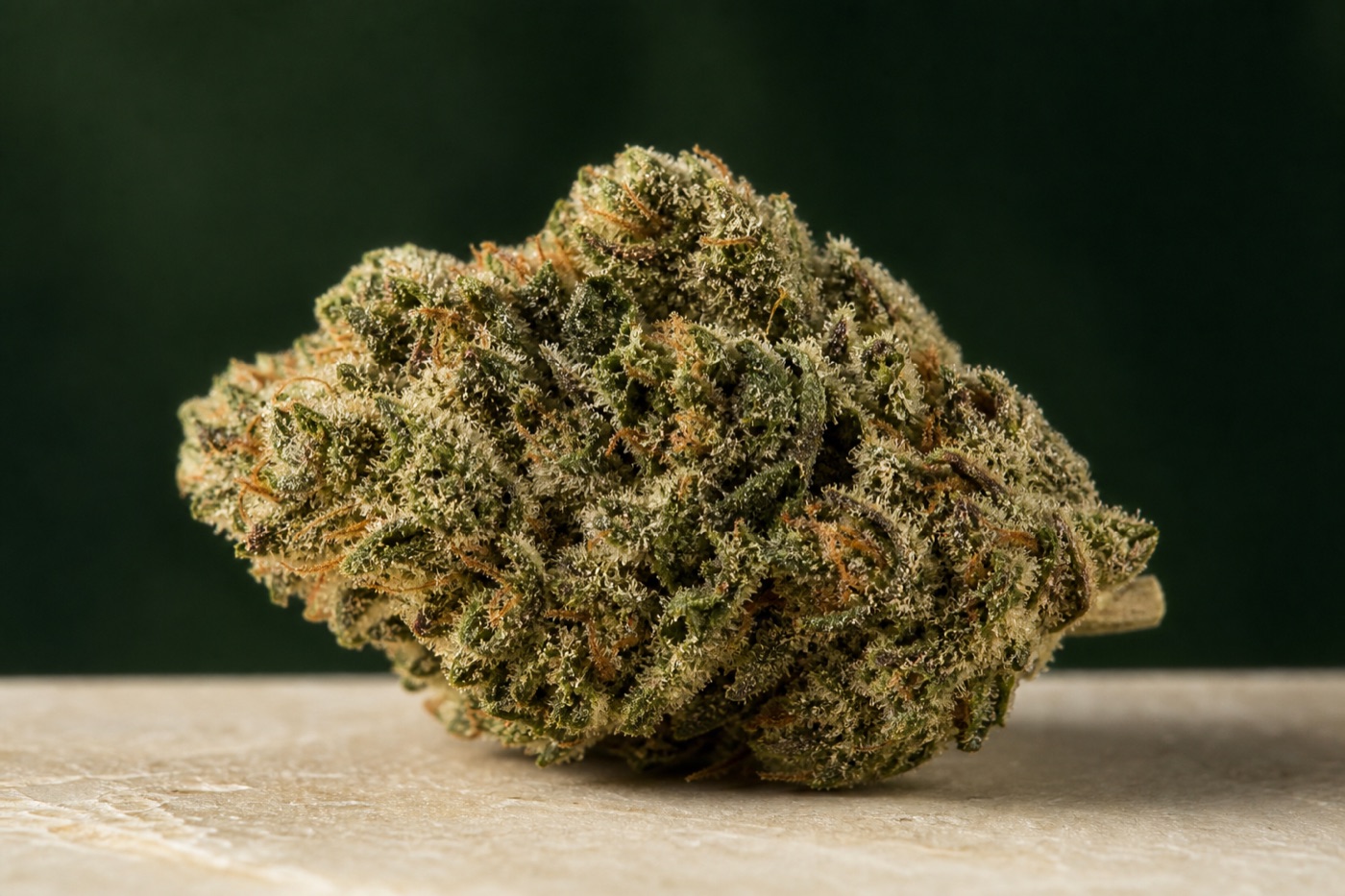
If you have ever walked into a dispensary and felt unsure about the difference between indica, sativa, and hybrid products, you are not alone. These three labels appear on nearly every cannabis product on the shelf, yet many shoppers in Cape Girardeau, MO are not entirely sure what they mean or how much weight they should carry when making a purchase. This guide breaks down what these terms actually refer to, where they came from, and how to use them alongside other information to make a more informed decision at Grass Roots Dispensary.
Where the Terms Indica and Sativa Came From
Indica and sativa were originally botanical classifications. Botanists used these terms to describe the physical characteristics of cannabis plants rather than the effects they produce. Cannabis sativa plants were identified as tall, thin plants with narrow leaves that tend to grow well in warmer climates with long growing seasons. Cannabis indica plants were described as shorter, bushier plants with broader leaves, traditionally associated with cooler mountainous regions.
Over time, the cannabis industry adopted these botanical terms as a shorthand for describing expected effects. Indica became associated with relaxing, body-focused experiences, while sativa became linked to uplifting, energizing effects. Hybrid became the catch-all term for strains bred from both lineages. This shorthand is convenient, but it is important to understand that modern cannabis science suggests the reality is more complicated.
Why the Labels Are a Starting Point, Not a Guarantee
Decades of crossbreeding mean that nearly every strain available today is technically a hybrid at the genetic level. A product labeled indica may share more genetics with a sativa ancestor than you would expect. Because of this, the traditional labels cannot reliably predict how any individual product will affect you.
Researchers and experienced dispensary staff increasingly point to a product's chemical profile as a better indicator of its potential effects. This profile includes cannabinoids like THC and CBD, along with aromatic compounds called terpenes. Two products with the same indica label can have very different cannabinoid and terpene content, and therefore produce noticeably different experiences.
This does not mean the labels are useless. They remain a helpful general framework, especially for newer consumers. Many people find that products labeled indica do tend to feel more calming, and products labeled sativa do tend to feel more stimulating. The key is to treat these labels as a rough guide rather than a promise.
Understanding Cannabinoids and Terpenes
To shop with more confidence, it helps to understand the two main categories of compounds that shape a product's character.
Cannabinoids are the active chemical compounds in cannabis. THC is the most well known and is primarily responsible for the psychoactive effects. CBD is another prominent cannabinoid that does not produce intoxication and is often associated with more subtle, balanced effects. Products come in a wide range of THC to CBD ratios, and this ratio often matters more to your experience than the indica or sativa label.
Terpenes are aromatic compounds found in cannabis and many other plants. They give each strain its distinctive smell and flavor, and early research suggests they may also influence effects. For example, myrcene is a terpene commonly associated with earthy aromas and is often found in products people describe as relaxing. Limonene has a citrus scent and appears frequently in products described as uplifting. Pinene smells like pine and is being studied for a variety of potential properties.
When you shop at a dispensary in Cape Girardeau, asking about terpene content can give you a much clearer picture of a product than the strain category alone.
How to Use Labels When You Shop
Here is a practical approach to navigating the menu at Grass Roots Dispensary.
First, start with your goal. Think about what kind of experience you are looking for. Are you hoping to unwind in the evening, stay engaged during a social activity, or find something balanced for general use? Sharing this with a staff member helps narrow the options quickly.
Second, use the indica, sativa, and hybrid labels as a broad filter. If you want something for relaxation, starting with the indica section is reasonable. If you want something for daytime alertness, the sativa section is a sensible place to look. Hybrids are worth exploring when you want something in between.
Third, look deeper at the product details. Check the THC and CBD content, and ask about dominant terpenes if that information is available. A product with a moderate THC level and a terpene profile suited to your goals is often a better match than simply picking the strongest option on the shelf.
Fourth, remember that individual responses vary. Body chemistry, tolerance, mindset, and environment all play a role in how cannabis affects you. What works well for one person may feel different for another, even with the same product.
Common Product Types and How Labels Apply
The indica, sativa, and hybrid labels appear across many product categories, and it helps to know how they apply to each.
Flower is the traditional dried cannabis bud, and this is where strain names and labels are most prominent. Each strain carries its own combination of genetics, cannabinoids, and terpenes.
Vape cartridges and concentrates are often labeled by strain as well, though the extraction process can change the terpene profile. Some products reintroduce terpenes after extraction to preserve strain character, while others focus primarily on cannabinoid content.
Edibles are frequently labeled by category too, but the way your body processes an edible differs from inhaled products. Effects from edibles typically take longer to begin and can last longer, so the indica or sativa label may feel less predictable in this format.
Topicals and tinctures round out the menu, and these products may emphasize cannabinoid ratios over strain labels since the experience they provide tends to be more targeted.
Questions to Ask Your Budtender
The staff at Grass Roots Dispensary in Cape Girardeau are experienced in helping customers match products to their preferences. Coming prepared with a few questions makes the conversation more productive. Consider asking which products are popular for relaxation versus energy, what the terpene profile of a particular strain looks like, how the THC to CBD ratio might influence the experience, and what a good starting point would be for someone newer to cannabis.
There is no wrong question. Budtenders talk with shoppers at every experience level every day, and their role is to help you leave with a product that fits your needs.
Frequently Asked Questions
Is indica or sativa better for beginners?
Neither category is inherently better for beginners. What matters more is starting with a product that has a moderate THC content and a profile aligned with the experience you want. Many new consumers prefer balanced hybrid products or options with some CBD content. A staff member at Grass Roots Dispensary can help you identify a comfortable starting point based on your goals.
Can I rely on the indica and sativa labels to predict effects?
The labels are a useful general guide, but they are not a guarantee. Because most modern strains are genetic hybrids, the cannabinoid and terpene profile of a specific product is often a more reliable indicator of its character. Individual responses also vary, so personal experience remains an important part of finding what works for you.
What is a hybrid strain?
A hybrid is a strain bred from both indica and sativa parent plants. Hybrids make up the majority of products on dispensary shelves today. Some lean toward indica characteristics, some lean toward sativa characteristics, and others aim for a balance of both. Reading the product details and asking staff about a hybrid's typical effects will tell you more than the label alone.
Visit Grass Roots Dispensary in Cape Girardeau
Understanding what indica, sativa, and hybrid labels actually mean puts you in a stronger position to shop with confidence. Whether you are new to cannabis or refining your preferences, the team at Grass Roots Dispensary is here to answer your questions and help you explore the menu at your own pace. If you are in Cape Girardeau, MO or the surrounding Southeast Missouri region, visit Grass Roots Dispensary online to learn more about our products and plan your visit today.
Back to articles Shop the menu
This article is for general cannabis education and is not medical advice. Cannabis affects individuals differently. Always follow the product label and applicable Missouri laws. Must be 21+ to enter.
Educational content only. Cannabis affects everyone differently; start low and go slow. For use by adults 21+ or qualifying medical patients.